
"washed coffee exports"
9000 article(s) found
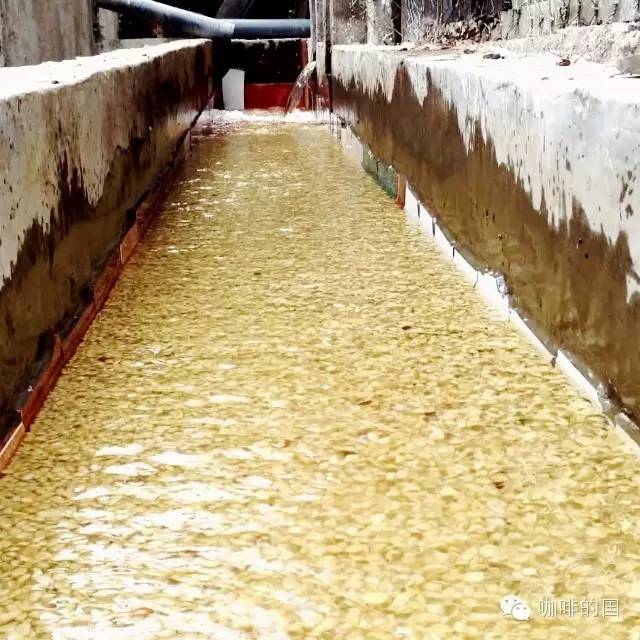
American boutique coffee beans Colombia Whelan the world's largest exporter of washed coffee beans
Colombia's boutique bean producing areas are mainly in the south, more than 1500 meters above sea level, including St. Augustine (SanAugustin,Huila) in Huilan province, Popayan,Cauca in Cauca province, Nari ñ o province, and Tolima province, where products have delicate sour and raspberry aromas, caramel aromas and full sweetness. A wave native to the Indian Ocean.

What are the classification standards of coffee beans G1, G2, G3, G4, AA, PB, SHB?
Professional coffee knowledge exchange More coffee bean information Please pay attention to coffee workshop (Weixin Official Accounts cafe_style)

Yerga Sherfi Flavor Description What is washed aricha coffee
Yirgacheffe Aricha Grade 1 Raw beans yellow green color, is a typical sun coffee color, particles are even full, less defective beans, using ordinary sacks for export, sacks printed with basic information of stained coffee (processing plant, exporter, ICO code, processing method, production area) sacks are agricultural packaging plastic bags

Suggestion on hand-flushing parameters of Ethiopia washing Sidamo sidamoG2 boutique coffee beans
For the exchange of professional baristas, please follow the Coffee Workshop (Wechat official account cafe_style) hand-made Sidamo. 15g powder, medium fineness grinding (small Fuji ghost tooth cutter 3.5grinding), v60 filter cup, 9193 degrees water temperature, 30g water injection for the first time, steaming for 27 seconds, water injection to 105g water cut off, wait for the powder bed water to drop to half and then water injection, slow water injection until 225g water, the end section is not

Unique aromatic Ethiopian Coffee Flavor description Grinding degree Variety characteristics of producing areas
Ethiopia's geographical environment is very suitable for coffee growth. Coffee is mainly grown in the southern highlands between 1100 and 2300 meters above sea level. The main coffee producing areas are Harar, Limu, Djimma, Sidamo, Kaffa, Yergacheffe and Wellega. The soil drainage in these areas is good.

Introduction to the taste description of Ethiopian coffee variety boutique coffee bean manor
Ethiopia's geographical environment is very suitable for coffee growth. Coffee is mainly grown in the southern highlands between 1100 and 2300 meters above sea level. The main coffee producing areas are Harar, Limu, Djimma, Sidamo, Kaffa, Yergacheffe and Wellega. The soil drainage in these areas is good.

Sidamo G 2 correctly drink Sidamo coffee bean price
Professional barista communication Please pay attention to coffee workshop (Weixin Official Accounts cafe_style ) Sidamo G2 Washed Country: Ethiopia Grade: G2 Production Area: Sidamo Roasting Degree: Light Roasting Treatment Method: Washing Variety: Local Native Flavor: Honey, Citrus, Lemon Hand-washed Sidamo. 15g powder, medium fineness grinding (small Fuji ghost tooth knife 3.5 grinding),

High-quality coffee Salvadoran coffee treatment method washing fermentation, sun drying
Unique, mild-tasting coffee. ElSalvador is one of the small countries in Central America with a dense population. The flavor of its coffee is characterized by excellent balance. Today, this coffee accounts for 40% of the country's exports. 35% of the extra hard beans of the best coffee are exported to Germany from January to March. In the early 1990s, guerrilla warfare greatly damaged the country's national classics.

Sun Coffee Ethiopian Coffee introduction Fine Coffee beans Yega Snow Coffee Gediyo Eastern Highland Mountains
Due to different planting methods, coffee can be divided into three types: forest-semi-forest coffee (Forest or semi-forest coffee), courtyard coffee (Garden coffee) and plantation coffee (Plantation coffee). 60% of the coffee belongs to forest-semi-forest coffee. In such a wild coffee forest, pesticides are not used at all, but biological methods are used to control pests. thirty-five

Sun Coffee Ethiopian Coffee introduction Fine Coffee beans Yega Snow Coffee Gediyo Eastern Highland Mountains
Due to different planting methods, coffee can be divided into three types: forest-semi-forest coffee (Forest or semi-forest coffee), courtyard coffee (Garden coffee) and plantation coffee (Plantation coffee). 60% of the coffee belongs to forest-semi-forest coffee. In such a wild coffee forest, pesticides are not used at all, but biological methods are used to control pests. thirty-five
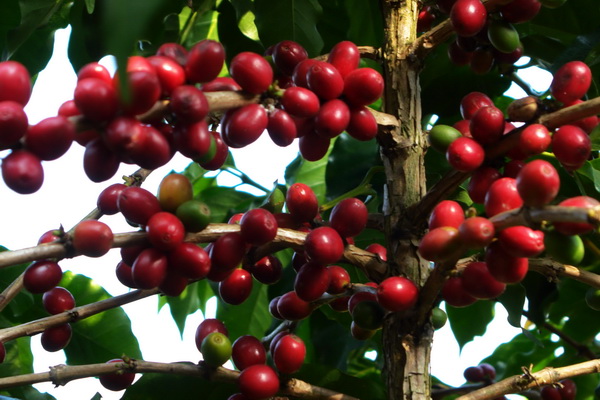
African flavor Ethiopian grade G1G2 G3 boutique coffee beans
Pre-auction process 1) farmers pick fresh coffee fruits; 2) farmers transport fresh fruits to rural cooperatives; 3) cooperatives sell fresh fruits to middlemen; 4) middlemen collect and transport fresh fruits to processing plants (washing or tanning process); 5) middlemen transport processed beans (with shell beans, Parchment Coffee) to auction houses to establish warehouses; 6) auction houses give official evaluation (

Is Sidamo sidamoG2 Coffee good? the method of making Sidamo Coffee
For the exchange of professional baristas, please follow the Coffee Workshop (Wechat official account cafe_style) Sidamo G2 Washed country: Ethiopian Grade: G2 production area: Sidamo roasting degree: light Baking method: washed varieties: local native flavor: honey, citrus, lemon hand-washed Sidamo. 15g powder, medium fineness grinding (small Fuji ghost tooth cutter 3.5 grinding)

Introduction to the export situation of Ethiopian coffee varieties and flavor description
The coffee market regulatory body in Ethiopia is the Ethiopian Coffee and Tea products Administration. There are two auction centers in the country, one in the capital Addis Ababa (Addis Ababa) and the other in Dire Dawa in eastern Ethiopia. Coffee growers bring fresh fruit or to private coffee processing plants or cooperative coffee washing stations

Ethiopian coffee with mild acidity Origin Flavor Description Treatment Quality Characteristics Type Introduction
Ethiopia's coffee grading and quality control system mainly includes two indicators: visual inspection and cup evaluation. The inspection items include color, cleanliness, origin, taste and characteristics of coffee beans. Export classification is indicated by simple numbers, with the best washed coffee being grade 5 and the best sun-cured coffee being grade 4. After classification, the origin can be exported. Usually exports by letter of credit

Ethiopian Coffee Export Ethiopia Coffee grading system
For more information on coffee beans, please follow Coffee Workshop (official Wechat account cafe_style) [Export of Ethiopian Coffee] according to Ethiopian decree, there are three coffee export systems: (1) the largest privately owned processing plant system for export through ECX bidding, (2) cooperative system, and (3) single farm system. In these three systems, cooperatives

Introduction to the method of texture treatment of Ethiopian Coffee Flavor and Grinding degree
On coffee farms, high quality assurance is reflected in the timely and strict selection of mature and reddest coffee fruits. Picked coffee needs to be protected from direct sunlight, and the picked fruit is concentrated in a bamboo basket to avoid contact with the soil. The picked fruit is washed in clean water and preserved under water to improve the flavor and color of coffee beans. Processing

Ethiopian coffee introduces the characteristics of Ethiopian coffee Ethiopian coffee taste
Ethiopia is one of the major producers of Arabica coffee in Africa, producing the best Arabian coffee in the world. It is said that coffee was first discovered by shepherds in Essekafa, and the name of coffee evolved from Kafa, so Essex is still the hometown of coffee. The geographical environment of coffee production and processing is very suitable for coffee growth. Coffee is mainly cultivated.

Ethiopian coffee introduces the world's best Arabian coffee shepherds found
Ethiopia is one of the major producers of Arabica coffee in Africa, producing the best Arabian coffee in the world. It is said that coffee was first discovered by shepherds in Essekafa, and the name of coffee evolved from Kafa, so Essex is still the hometown of coffee. The geographical environment of coffee production and processing is very suitable for coffee growth. Coffee is mainly cultivated.

Colombian Coffee Origin Colombian Coffee treatment
Colombian coffee is one of the few original coffee sold in the world under the name of the country. In terms of quality, it has won praise unmatched by other coffee. The country is the world's largest exporter of Arabica coffee beans, while Robbins coffee is rarely grown. It is also the world's largest exporter of washed coffee beans (Washed beans). Compared with other producing countries, Colombia is more

Very suitable for coffee growth. Introduction of Ethiopian boutique coffee beans.
Coffee grading and quality control system in Ethiopia, coffee grading and quality control system is divided into three levels: producer, regional and national. All coffee is inspected by local inspection agencies before leaving the country of origin, and then re-tested at the coffee inspection and grading centers in Addis and Diredawa to determine its quality grade. Coffee is graded before auction and sale